
Visiting Bali in March offers a unique balance between tropical vibrancy and manageable travel flow. As the island transitions from the rainy season into drier months, March becomes one of the most underrated times to explore Bali. The landscapes remain intensely green, waterfalls flow powerfully, and popular attractions feel noticeably less crowded than during peak season.
If you are planning your trip to Bali in March, here is a deeper guide covering weather, events, activities, and where to enjoy memorable dining in Ubud.
Weather Bali in March
March marks the gradual end of Bali’s wet season. Rainfall begins to decrease, especially toward the second half of the month.
Typical climate conditions:
Average temperature: 24°C – 31°C
Humidity: Moderate
Rainfall: Occasional tropical showers
Sunshine hours: Increasing compared to January and February
Morning hours are often bright and ideal for outdoor activities. Short afternoon showers may occur, but they rarely last the entire day. The result is lush rice fields, vibrant greenery, and dramatic cloud formations, perfect for photography.
Is Bali in March Worth Visiting?
Absolutely, especially if you prefer:
Lower hotel rates
Easier restaurant reservations
Less crowded beach clubs
A calmer Ubud experience
While it is not peak season, Bali in March still offers strong travel conditions with fewer tourist surges. Popular areas such as Ubud, Canggu, and Seminyak feel lively but not overwhelming.
Cultural Highlights in March
Depending on the Balinese calendar, Nyepi (Day of Silence) may fall in March. This is one of Bali’s most important Hindu celebrations.
If Nyepi occurs during your stay:
The airport closes for 24 hours
No outdoor activities are allowed
Streets remain completely empty
Hotels operate quietly with limited lighting
The night before Nyepi features Ogoh-Ogoh parades, giant symbolic sculptures carried through villages in a dramatic cultural procession.
Experiencing Bali in March during Nyepi provides rare insight into the island’s spiritual identity.
Best Activities in Bali in March
Explore Rice Terraces
Tegalalang and Jatiluwih rice fields appear especially vibrant after the rainy months.
Visit Waterfalls
Waterfalls such as Tegenungan and Tibumana flow more powerfully during March, making them visually impressive.
Enjoy Beaches with Fewer Crowds
While occasional rain may pass, sunny periods still dominate. Beaches in Nusa Dua and Uluwatu remain enjoyable.
Discover Ubud’s Wellness Scene
Yoga studios, meditation centers, and art galleries feel more relaxed compared to peak months.
Where to Eat in Ubud in March
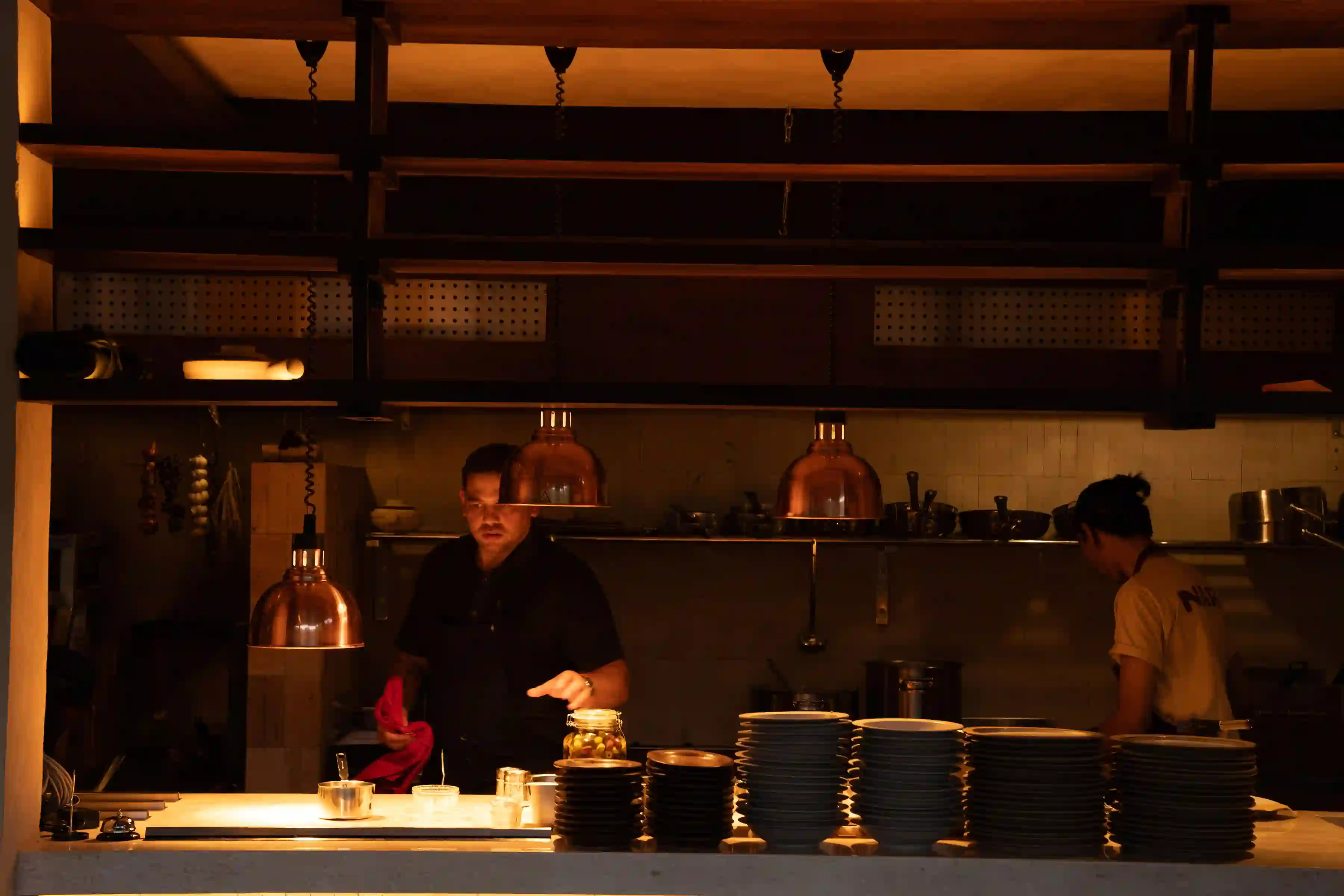
Evenings in Ubud during March feel slightly cooler, particularly after light rain. This makes it the perfect time for refined, fire-influenced dining. One of the most distinctive restaurants to experience is Nari Fire Restaurant in Ubud.
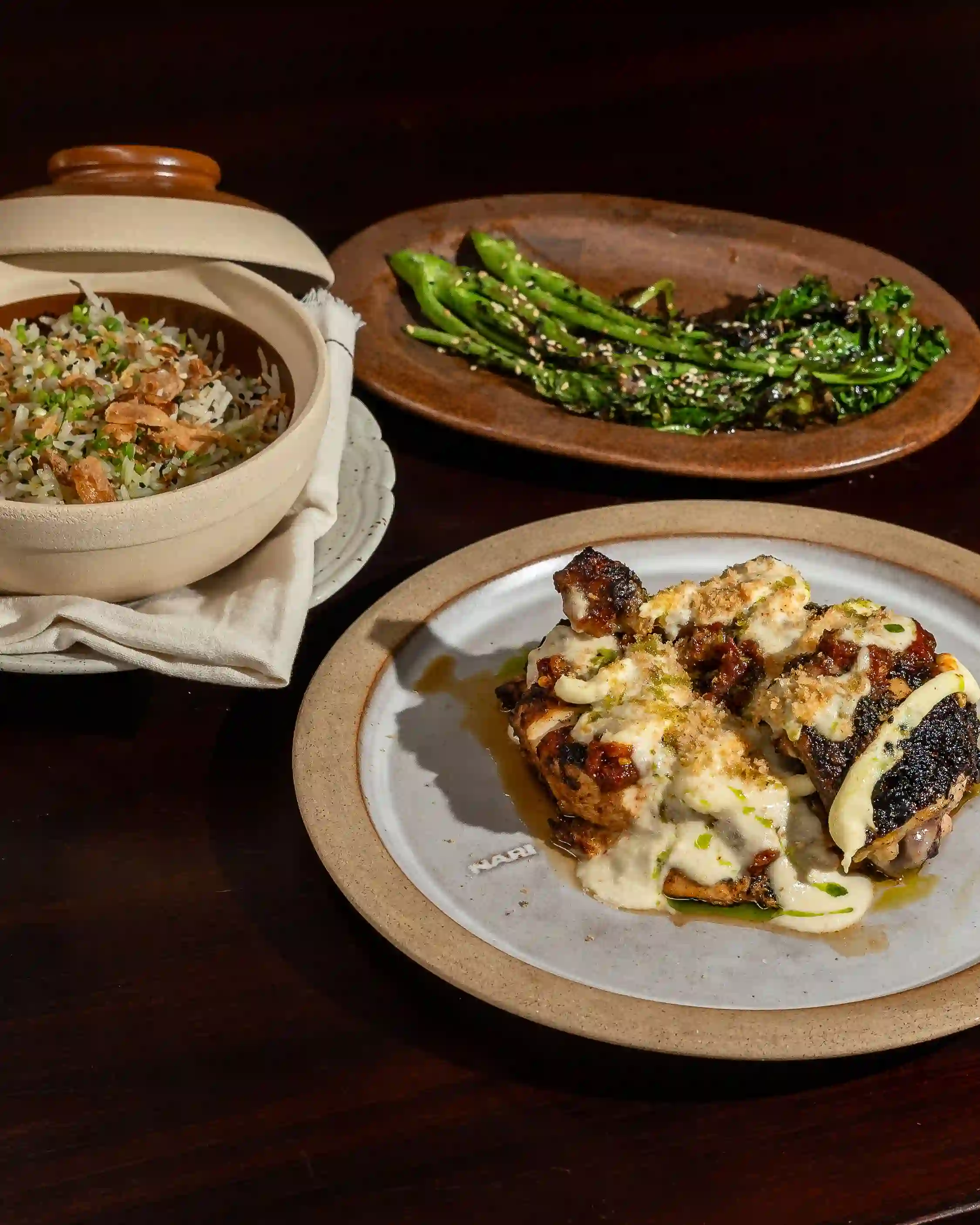
Nari offers Mediterranean-inspired cuisine shaped by woodfire techniques and herb-forward flavors. The ambiance suits Ubud’s calmer March rhythm — warm, intimate, and unhurried.
Guests can explore both daytime and evening menus featuring:
Woodfired breads and mezze-style plates
Premium steaks and slow-braised cuts
Balanced desserts with citrus and caramelized finishes
After a day exploring Ubud’s rice terraces or waterfalls, settling into a relaxed dinner at Nari enhances the experience of Bali in March.
What to Pack for Bali in March
Lightweight breathable clothing
A compact rain jacket
Comfortable sandals or walking shoes
Sunscreen (UV remains strong)
A small dry bag for waterfall visits
Humidity can remain present, but conditions steadily improve toward late March.
Final Thoughts: Why Bali in March Is Underrated
Bali in March combines tropical greenery, improving weather, cultural depth, and manageable crowds. It is ideal for travelers who prefer a slower pace without peak-season congestion. The island feels fresh. The landscapes are lush. The atmosphere is relaxed yet vibrant.
And as the day winds down in Ubud, a thoughtfully prepared reserve your dinner at Nari Restaurant provides the perfect closing note fire-lit warmth, Mediterranean flavors, and an ambiance that complements the island’s natural rhythm.